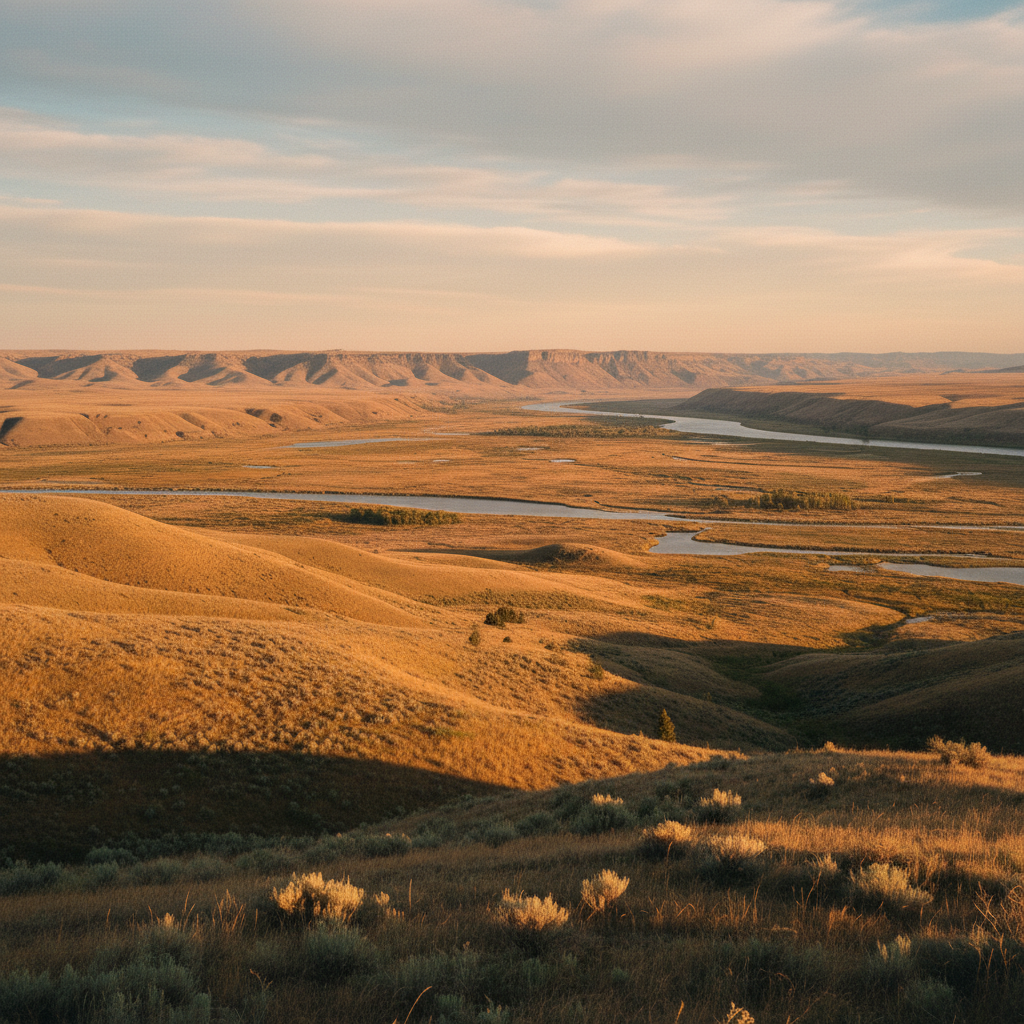
A 23,555-acre Columbia River sanctuary straddling Oregon and Washington, where shrub-steppe, sloughs, and seasonal wetlands stage one of the Pacific Flyway's great migrations.
Umatilla National Wildlife Refuge spans 23,555 acres along the Columbia River where southeastern Washington meets northeastern Oregon. Established in 1969 to offset habitat lost when the John Day Dam flooded the river canyon, the refuge stitches together open water, sloughs, seasonal wetlands, and native shrub-steppe uplands into a critical Pacific Flyway stopover for migrating waterfowl, bald eagles, and shorebirds.
The refuge is split across six units in two states. On the Oregon side, the McCormack Unit south of Highway 730 near Irrigon is the main public gateway, with an auto tour route, an elevated wildlife observation tower, photography blinds, and the only public restroom on the refuge (at the hunter check station). The Boardman Unit sits west of Boardman off the Tower Road exit from Interstate 84. On the Washington shore, accessed via State Highway 14, lie the Whitcomb Island, Ridge, and Paterson Units. Scattered mid-river islands provide secluded nesting habitat and remain closed to the public year-round.
Spring and fall migration are the headline events, when massive flocks of ducks and geese descend on the wetlands. Spring also brings nesting burrowing owls, long-billed curlews, and white pelicans, while mule deer browse the uplands year-round. The McCormack Unit auto loop, blinds, and tower make it easy to watch and photograph wildlife without disturbing them. Regulated waterfowl, upland bird, and deer hunting are major seasonal draws, and the Columbia mainstem here yields salmon, steelhead, sturgeon, and bass. Hiking, bicycling, and horseback riding are allowed on designated open refuge roads, and non-motorized boating is popular in the river backwaters, though sensitive areas like McCormack Slough are closed seasonally.
This is a remote, unstaffed sanctuary, not a developed park. There is no visitor center and no drinking water. The refuge is open daily from sunrise to sunset, with authorized hunters permitted to enter 1.5 hours before sunrise. Camping, overnight parking, open fires, off-road vehicles, drones, and off-leash dogs are prohibited.
Time a visit for late October through February to catch peak waterfowl numbers and wintering bald eagles. Climb the McCormack Unit observation tower at first light with binoculars and a long lens, then drive the auto loop slowly with your engine off at each pullout. Pack water, snacks, and fuel before arriving since the nearest services are back in Irrigon or Boardman.