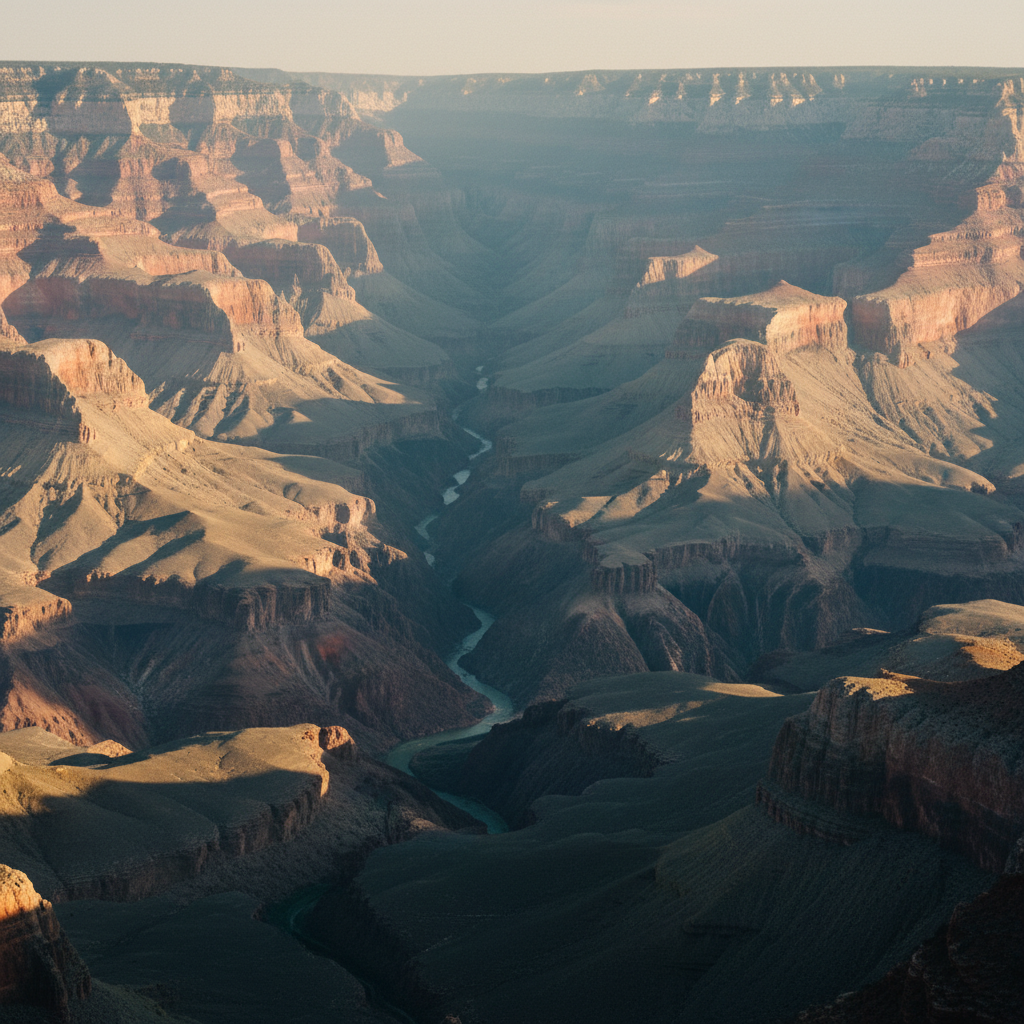
The American Southwest isn't a map you trace with a finger, it's a raw nerve in the earth, a geologic trap that merely endures your brief, buzzing presence, and you feel it, man, you feel it in the deep hollows of your bones, a violent collision of ultraviolet light and shattered sandstone and the relentless, mechanical grinding of a river that has been eating the continent for six million years. But before you can even begin to grasp its sheer, brutal scale, before you feel the profound, crushing weight of deep time pressing down from above and seeping up from below, it usually just starts as a logistical headache, a blur of rental car paperwork and the overwhelming smell of aerosol sunblock mixed with damp neoprene, the agony of asphalt radiating heat like a dying star, and the terrifying, primal realization that you are about to voluntarily surrender your last, tenuous connection to the flickering, hyper-connected grid of the 21st century.
To truly taste the West, to truly feel its pulse vibrating through the soles of your feet, you cannot just gaze down from the rim like some detached, voyeuristic god; you have to descend, man, you have to throw yourself headfirst into the trench, the belly of the beast, where the light hits different and the air tastes of something forgotten and dangerous. You have to pack your entire curated existence, your whole precious identity, into a rubber dry-bag, let the cell service bleed out to absolute zero, watching the bars drop one by one like a dying heartbeat, and then you submit, you surrender utterly to the dictatorial, indifferent authority of the current, because down here, the river is God. This is the log, then, a fragmented memory of a journey through the basement of the continent, a story of heavy canvas and boiling whitewater and two-billion-year-old rock, and the profound, crushing silence of the inner gorge, told not from some manicured scenic overlook, but from the brutal, wet, shivering reality of the river...