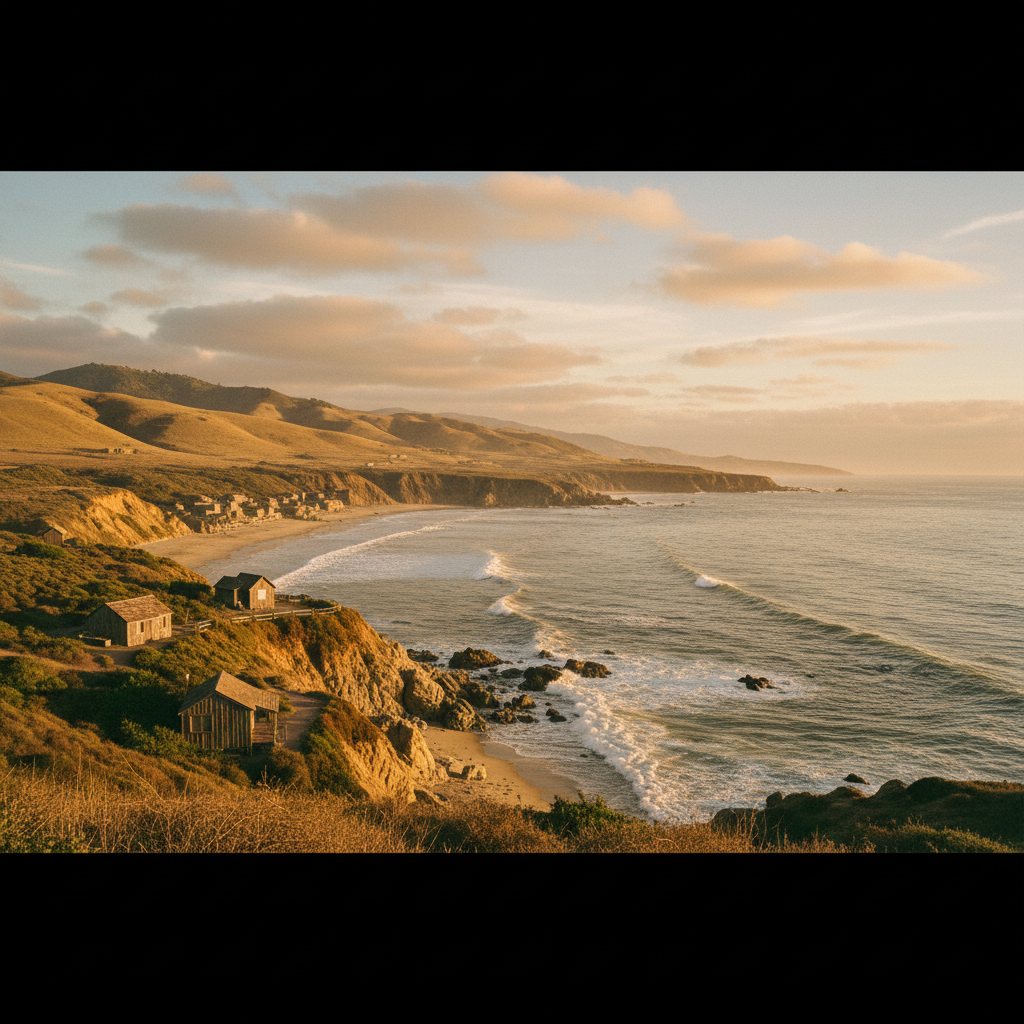
A preserved stretch of Southern California coastline featuring vintage 1930s beach cottages, tide pools, and 2,400 acres of backcountry wilderness.
Crystal Cove State Park protects one of the last remaining stretches of open space and natural seashore in Orange County, California. Historically, the coastal bluffs and marine resources of this area were occupied for thousands of years by the Gabrielino (Tongva) and Juaneño (Acjachemen) peoples, who gathered shellfish, fished the kelp beds, and crafted tule canoes. In the early twentieth century, the cove evolved from a seasonal tent-camping destination into a seaside cottage colony, with small cabins constructed along the beach and against the bluffs between the 1920s and 1940s. The Irvine Company eventually leased these plots to residents, creating a unique community of vernacular beach architecture. In 1979, the state purchased the 3.2 miles of coastline and surrounding land from the Irvine Company for $32 million (the most expensive acquisition of state parkland in California history at the time) to prevent massive resort development and preserve the historic enclave.
The heart of the park is the federally listed Crystal Cove Historic District, which consists of 46 vintage rustic coastal cottages concentrated around the mouth of Los Trancos Creek. Painstakingly restored by the Crystal Cove Conservancy in partnership with California State Parks, many of these wooden structures are now available to the public for overnight rentals. These accommodations range from cozy individual cabins, like the recently restored Shell Crafter's Cottage (Cottage No. 3), to dorm-style rooms that offer a rare glimpse into mid-century beach culture. Right on the sand sits The Beachcomber Cafe, a lively gathering spot where guests can dine with their toes nearly in the surf. Every evening at 5:00 PM or sunset, the restaurant honors a local 1940s tradition by raising the Martini Flag to the sound of a bugle salute, prompting patrons to toast the fading light over the Pacific.
Beyond the historic beach colony, the park's diverse natural environments span 2,400 acres of undeveloped backcountry wilderness. Over 18 miles of hiking, mountain biking, and equestrian trails wind through Moro Canyon, where the endangered coastal sage scrub plant community provides a critical habitat for bobcats, coyotes, and native reptiles. Hikers can choose from a variety of routes, such as the moderate 2.85-mile loop that climbs 633 feet up the No Dogs Trail and descends via the steep Poles Trail into the riparian woodlands of Moro Creek, where sycamore and oak trees shade the canyon floor. For multi-day adventures, three primitive environmental campgrounds (Deer Canyon, Lower Moro, and Upper Moro) sit tucked within the ridges, requiring backpackers to pack in all of their own water and supplies.
Along the shoreline, the park's marine protected area preserves a thriving underwater world that extends from the sandy beaches to rocky reefs. At low tide, the rocky points at Reef Point and Rocky Bight transform into accessible marine displays where visitors can observe purple sea urchins, aggregating anemones, ochre sea stars, and hermit crabs in the shallow pools. Offshore, giant kelp forests shelter a rich array of marine life, making the area popular for skin diving and kayaking. Whether exploring the high ridges overlooking Catalina Island or combing the tide pools at the water's edge, Crystal Cove remains a remarkable testament to the preservation of California's coastal heritage.
To access the beach and historic district, park at the Los Trancos parking lot on the east side of Coast Highway and take the pedestrian tunnel or the shuttle down to the cove. If you are dining at The Beachcomber Cafe, validate your parking ticket to receive free parking for up to three hours. Check tide charts in advance to visit the Reef Point tide pools at low tide, and remember that backcountry trails close after heavy rains to protect the trails.