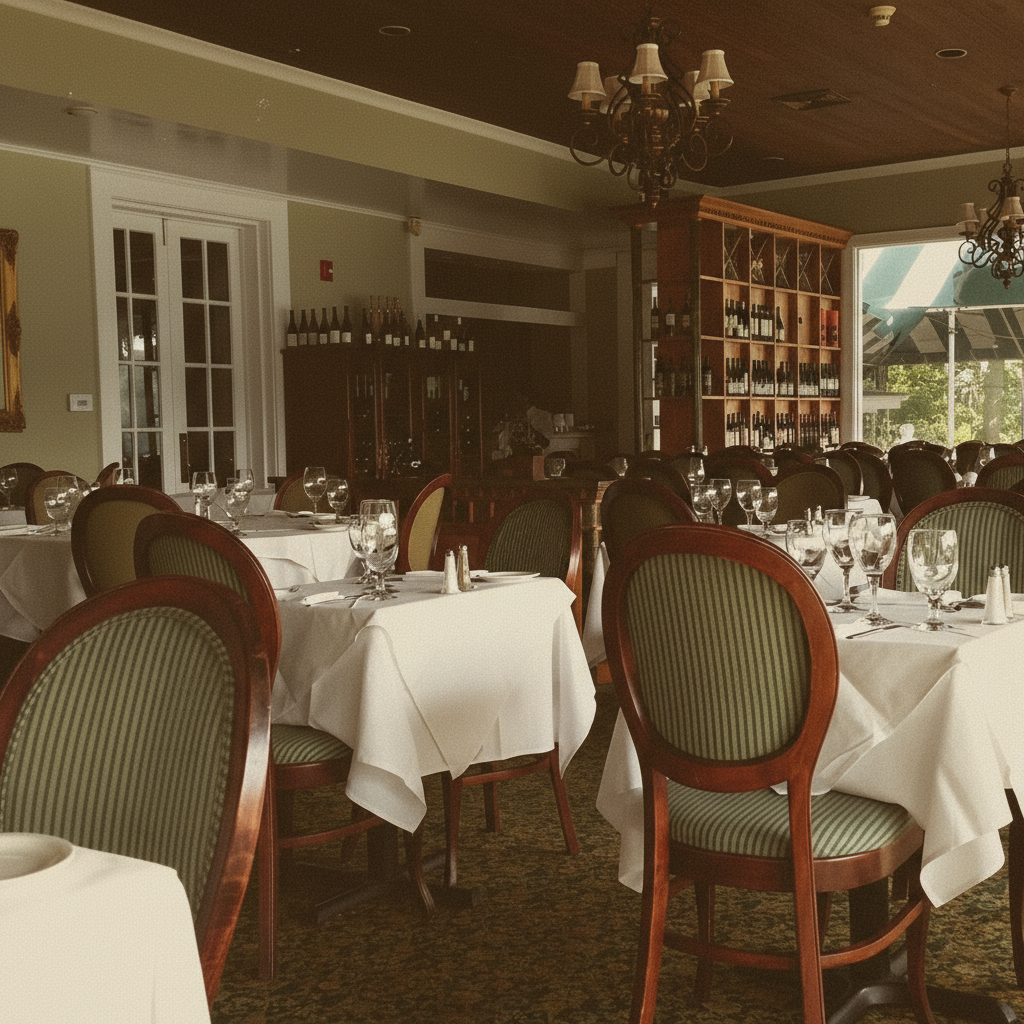
The aroma of slow-cooked mutton and warm frybread pulls you into Diné Restaurant in Window Rock, Arizona, where the plates are full and the flavors run deep.
The scent of woodsmoke carries across the red sandstone flats of Window Rock, but inside the dining room, the air belongs entirely to simmering mutton and yeast dough rising near the grill. Step through the doors and the dry wind of the Colorado Plateau yields to a space that feels like a multi-generational kitchen. Here, under the shadow of Tségháhoodzání, the circular rock arch that gives the Navajo capital its name, Diné Restaurant serves as a vital community anchor. It is a place where tribal leaders, local ranchers, and travelers sit side-by-side. The room hums with the soft, tonal cadences of Diné Bizaad spoken by elders over steaming mugs of black coffee. There are no modern reinventions here: only the honest, heavy, and deeply satisfying food that has sustained life in this high desert country for generations.
To understand the menu is to understand the history of the Dinétah, the Navajo homeland. Mutton is not merely an ingredient; it is the economic and cultural backbone of traditional pastoral life, introduced centuries ago and woven into the fabric of Navajo identity. The sheep represents livelihood, family, and connection to this arid land. The restaurant honors this relationship in dishes like the classic mutton stew, a clear, rich broth loaded with tender bone-in meat, hominy, and potatoes, served without pretense. Corn, another sacred pillar of Diné life, appears in blue corn mush and seasonal kneel down bread, which is made from ground sweet corn wrapped in husks. This is food born of resilience and a deep understanding of how to coax nourishment from a beautiful but demanding landscape of sandstone mesas and high-altitude sagebrush.
A meal here is a grounding experience that demands you slow down. Order the Navajo taco, and you will receive a plate-sized disk of golden frybread, crisp on the edges and pillowy in the center, piled high with savory beans, ground beef, and sharp cheddar. It is a dish meant to be torn apart with your hands. For a traditional pairing, opt for the roast mutton with a side of plain frybread, using the warm dough to scoop up the rich juices. As you eat, look around at the historic photographs on the walls depicting Navajo code talkers and early reservation life, reinforcing that you are dining in the political and cultural heart of the nation. You leave with a quiet appreciation for the enduring strength of Indigenous culinary traditions that remain proudly unchanged.
Located inside the Quality Inn, this is a dry establishment, as alcohol is banned on the Navajo Nation. If you visit in late summer or early autumn, ask if they have kneel down bread (tsídidiigí) on hand. This seasonal delicacy of ground sweet corn baked in corn husks is a rare treat that sells out quickly.
Coffee & Craft — Roadside fuel stops curated by Basecamp West. The best coffee shops, craft breweries, diners, and eateries worth the detour on your next Western road trip.