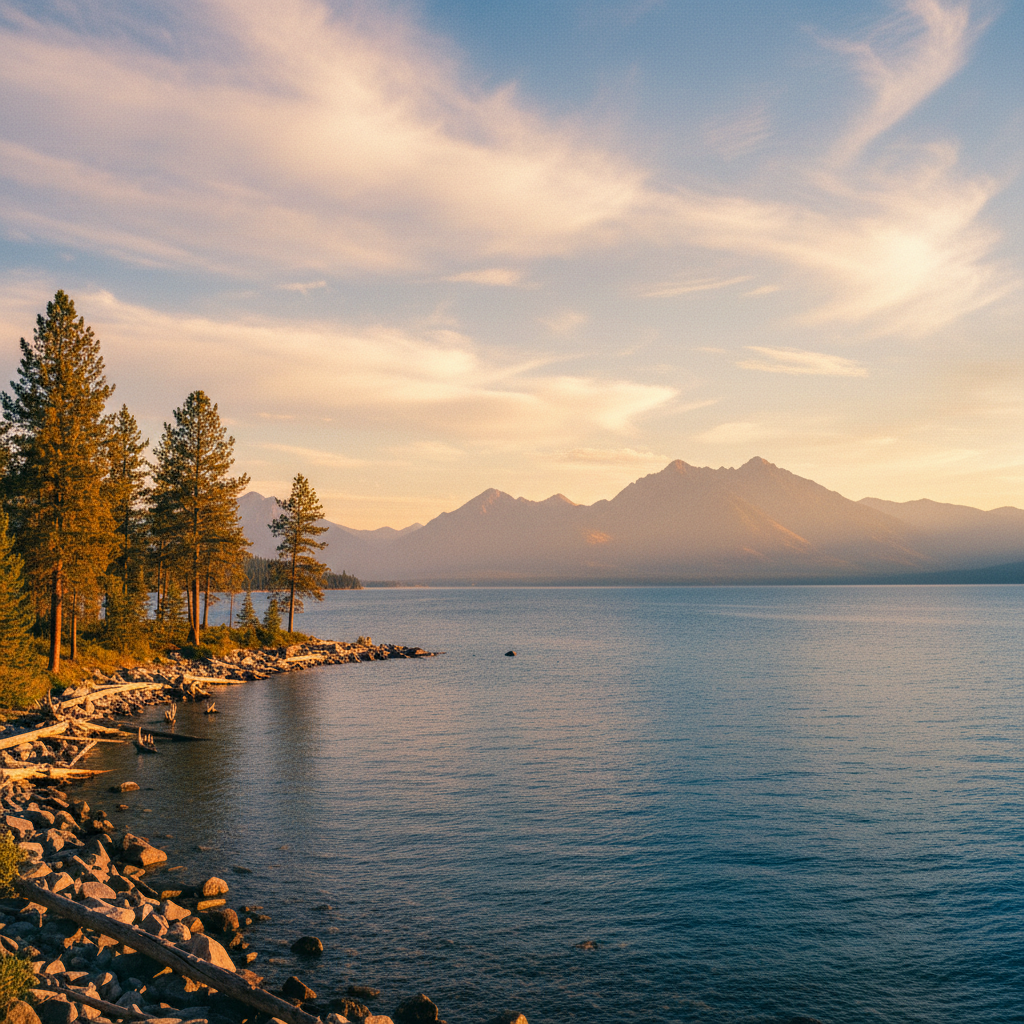
A six-unit state park system surrounding Montana's massive, glacier-carved Flathead Lake, offering lakeside camping, hiking trails, and boat access to a primitive island preserve.
Flathead Lake State Park is a consolidated six-unit public recreation system that guards the pristine shores of the largest natural freshwater lake in the western United States. Formalized under a single state park designation in 1992, the park spans six geographically distinct units: Wayfarers, Yellow Bay, and Finley Point on the eastern shore, and West Shore, Big Arm, and Wild Horse Island on the western side. Each unit possesses its own ecological character and recreational focus, ranging from quiet, glacially carved rocky outcroppings to expansive ponderosa pine forests. Together, they offer a comprehensive way to experience the vast, clear waters of the lake, known traditionally in the Salish language as Čɫq̓étkʷ, meaning broad water. Rather than a singular destination, the park functions as a lakeside network where visitors can move from deep-water fishing docks to primitive island trails.
On the eastern shore, the units are deeply intertwined with the region's microclimate and geography. The 67-acre Wayfarers Unit, located just south of Bigfork, is famous for its rocky cliffs, dramatic sunset viewpoints, and a mixed forest of pine and fir. It features 30 campsites, including a shared hike-bike campsite with nine tent pads designed specifically for cyclists traveling the Continental Divide route. Moving south along Highway 35, the 15-acre Yellow Bay Unit sits in the heart of the local sweet cherry orchards. This small enclave contains a wide gravel beach, five tent-only campsites, and provides direct access to the deepest waters of the lake. Farther south, near Polson and within the Flathead Indian Reservation, lies the 28-acre Finley Point Unit. Tucked into a mature ponderosa pine forest, Finley Point caters to both RV travelers and boaters, offering 18 RV sites with electrical hookups, two cabins, and four unique boat-camping slips equipped with 30-amp electricity.
The western units present a more rugged, wild landscape. The 129-acre West Shore Unit is characterized by glacially carved rock outcrops rising to scenic overlooks that face the Swan and Mission Mountains. Widely regarded as the quietest unit in the system, it features a dense forest of fir, pine, and larch, along with 2.5 miles of easy hiking trails and 31 campsites. Further south is the 217-acre Big Arm Unit, which boasts a long pebble beach popular with swimmers and serves as the primary launching pad for those heading to Wild Horse Island State Park. Spanning 2,164 acres, Wild Horse Island is the largest island in the lake and a primitive, day-use-only unit. Historically used by the Salish and Kootenai tribes to pasture horses safely from rival nations, the island remains home to a small herd of wild horses, a managed population of about 100 bighorn sheep, and massive mule deer. Visitors must secure private boat transport or a local shuttle to reach its six designated landing sites, as no public docks are provided, preserving the island's raw, undeveloped character.
To visit the primitive Wild Horse Island unit, book a boat shuttle from the Big Arm Unit or rent a kayak. Landings are beach-only with no public docks, so prepare to wade ashore. Keep an eye out for the island's famous bighorn sheep, which have historically produced world-record horn sizes.