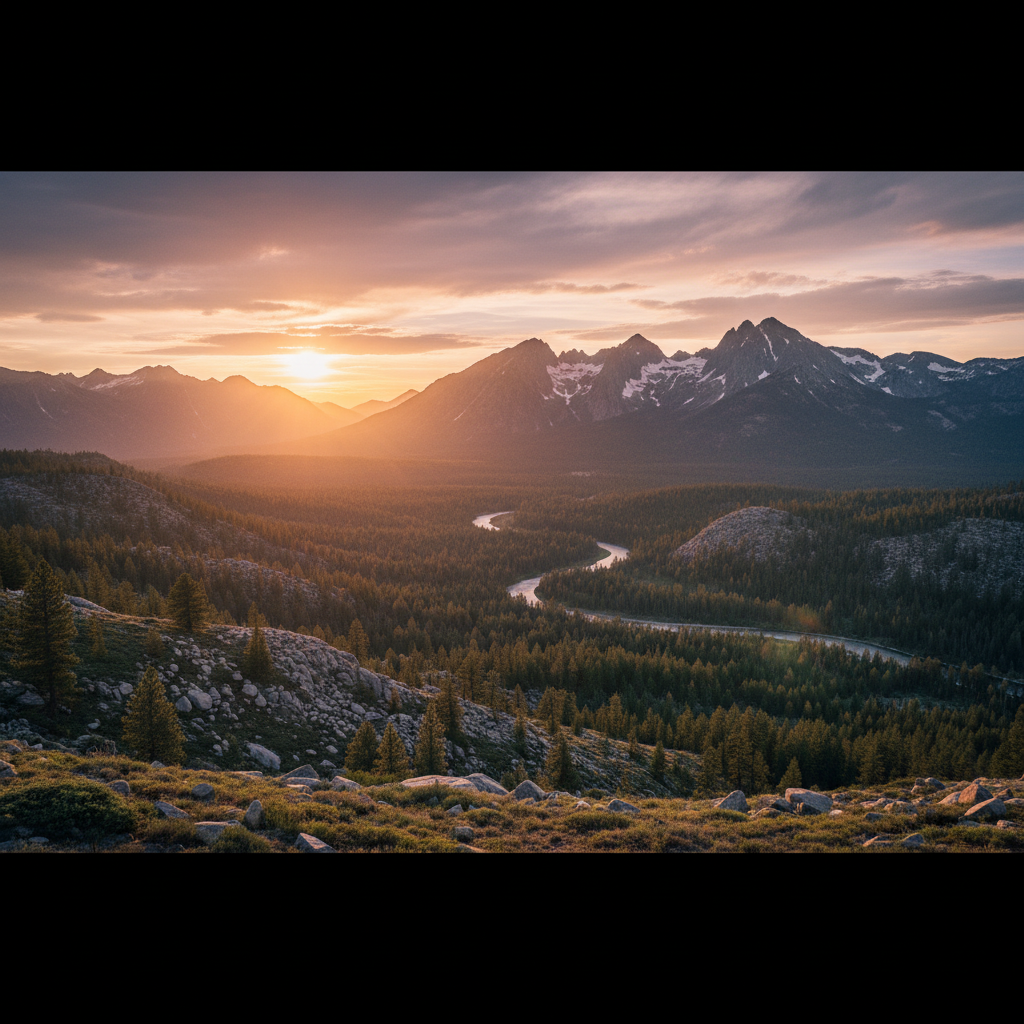
Explore California's Marble Mountain Wilderness, a vast landscape of white limestone peaks, glacial lakes, and ancient forests steeped in deep geological history.
The Marble Mountain Wilderness encompasses over 241,000 acres of northern California's Klamath National Forest, a rugged expanse where ancient geological forces have juxtaposed pale, metamorphosed limestone against dark metamorphic rock. Long before its formal designation as a primitive area in 1931 and its subsequent inclusion in the original 1964 Wilderness Act, these lands served as the ancestral territory and hunting grounds of the Karuk, Shasta, and Yurok peoples. The centerpiece of this protected landscape is Marble Mountain itself, a stark, 6,880-foot monolith of white limestone composed of prehistoric marine invertebrates from an ancient, shallow ocean. This massive block of marble, streaked with gray and white like a classical sculpture, rises dramatically above deep canyons blanketed by dense stands of Douglas fir, madrone, tanbark oak, and giant incense cedar. Among these trees grows the world's largest diameter incense cedar, located deep within the Little North Fork drainage, a testament to the region's role as a biological refuge during the last ice age.
Moving higher into the subalpine zones, the dense forest gives way to a glaciated landscape of exposed ridges and high-elevation basins. The wilderness is home to eighty-nine lakes, most of which occupy granite and marble cirques carved by ancient glaciers. The Sky High Lakes basin, including Upper and Lower Sky High Lakes, Frying Pan Lake, and Shadow Lake, represents the heart of the high country, where alpine meadows are framed by the stark white walls of the Marble Rim. Hikers navigating this terrain will find a remarkable diversity of plant life: the region is a botanical crossroads where coastal and Cascade species meet. In mid-summer, the melting snow reveals a brilliant display of wildflowers, including scarlet paintbrush, deep blue lupine, and tiger lilies. By late September, the high-country air turns crisp, the blueberry bushes turn a deep crimson, and the resident black bears forage through the meadows before the heavy winter snows arrive.
Access to this remote wilderness is supported by an extensive network of trails, including a thirty-two-mile stretch of the Pacific Crest Trail that traverses the spine of the range. The Bigfoot Trail also winds through these mountains, offering a rugged route through some of the most isolated sections of the Klamath-Siskiyou bioregion. Popular trailheads like Lovers Camp, situated near the town of Etna, provide access to the Canyon Creek Trail, which leads backpackers past old-growth forests and up a challenging series of stone steps to the Marble Valley. To the east, the Shackleford Trailhead offers a direct route to Cliff, Campbell, and Summit Lakes, where granite walls drop steeply into cold, trout-filled waters. Further west, the wild and scenic Wooley Creek watershed, managed in partnership with the Karuk Tribe, remains one of the most pristine river corridors in the state, sheltering rare summer steelhead and king salmon runs in its deep, shaded pools.
To experience the heart of the wilderness, begin at the Lovers Camp trailhead near Etna and take the Canyon Creek Trail. The climb to Marble Valley includes a steep section known locally as the Marble Staircase (about 400 stone steps), but it delivers you directly to the spectacular white walls of the Marble Rim. Camp near the Sky High Lakes or Summit Lake, and be sure to carry a freestanding tent, as the high-alpine campsites are often on hardpan rock where tent stakes are difficult to secure.