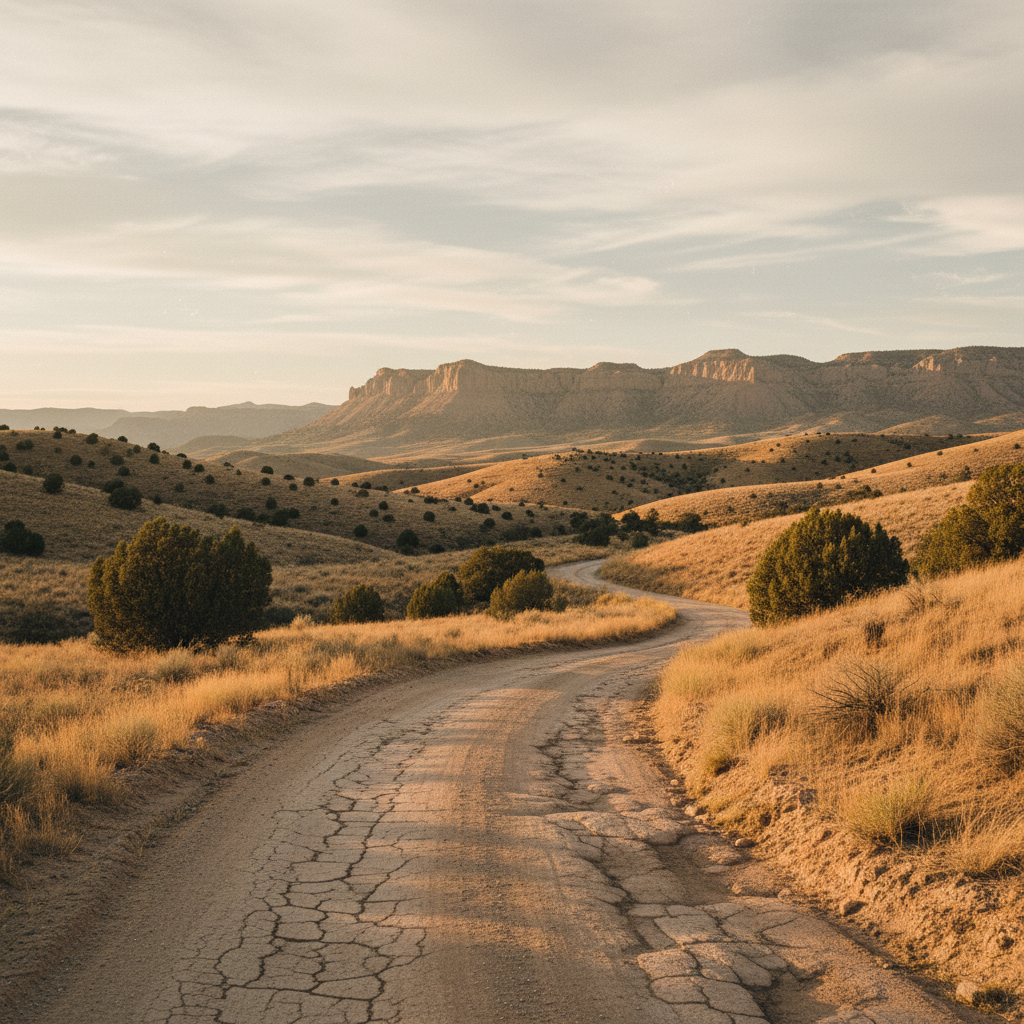
A lush, spring-fed canyon oasis in Nevada's high desert, featuring historic gardens, sheer volcanic cliffs, and scenic hiking trails.
Kershaw-Ryan State Park occupies a lush, spring-fed canyon at the northern end of Rainbow Canyon, just two miles south of Caliente, Nevada. Fed by natural cold springs that seep from the sheer volcanic tuff cliffs, this 265-acre sanctuary stands in sharp, green contrast to the surrounding arid high desert. Wild grapevines climb the canyon walls, while towering Fremont cottonwoods, elms, and Gambel oaks shade manicured lawns, rose gardens, and a spring-fed wading pool. The steady murmur of the springs and Meadow Valley Wash provides a constant soundtrack to a landscape that feels more like a private, historic country estate than a public park.
The human history of the canyon began long before its designation as a park, starting with the indigenous Southern Paiute people who utilized its reliable water sources. In 1873, Samuel and Hannah Kershaw homesteaded the canyon, establishing the Meadow Valley Wash Ranch and planting orchards and gardens. In 1904, they sold the property to brothers James and Patrick Ryan, successful local cattle ranchers. Recognizing the unique beauty of the "Kershaw Gardens," James Ryan donated the land to the state in 1934. The Civilian Conservation Corps (CCC) arrived shortly after, constructing stone picnic tables, fire pits, outhouses, a wading pool, and a rock caretaker's cabin. In 1935, Kershaw-Ryan was officially dedicated as one of Nevada's first four state parks, alongside Valley of Fire, Beaver Dam, and Cathedral Gorge. Although a catastrophic flash flood in August 1984 destroyed the CCC-built cabin and much of the park's infrastructure, leading to a decade-long closure, the park was rebuilt and reopened in 1997, retaining its historic charm.
Today, visitors can explore the canyon via several well-maintained trails. The 1.5-mile Canyon Overlook Trail climbs gently out of the lush valley floor to a ridgeline, offering expansive views of Rainbow Canyon and the stark desert beyond, while the Rattlesnake Loop provides a shorter trek. For campers, the park features a 16-unit campground equipped with 30-amp and 50-amp power and water hookups, shade ramadas, fire rings, and grills, alongside modern restrooms and coin-operated showers. The spring-fed wading pool and adjacent koi pond remain popular spots for cooling off during the hot summer months. Massive, decades-old grapevines and rose gardens (which earned nearby Caliente its nickname as "Nevada's Rose City") frame the park's central grounds, serving as a serene testament to the enduring power of water in the desert.
Bring insect repellent during the summer, as the spring-fed gardens attract mosquitoes. For a panoramic view of Rainbow Canyon, hike the 1.5-mile Canyon Overlook Trail, which climbs out of the lush valley floor into the rugged desert above.