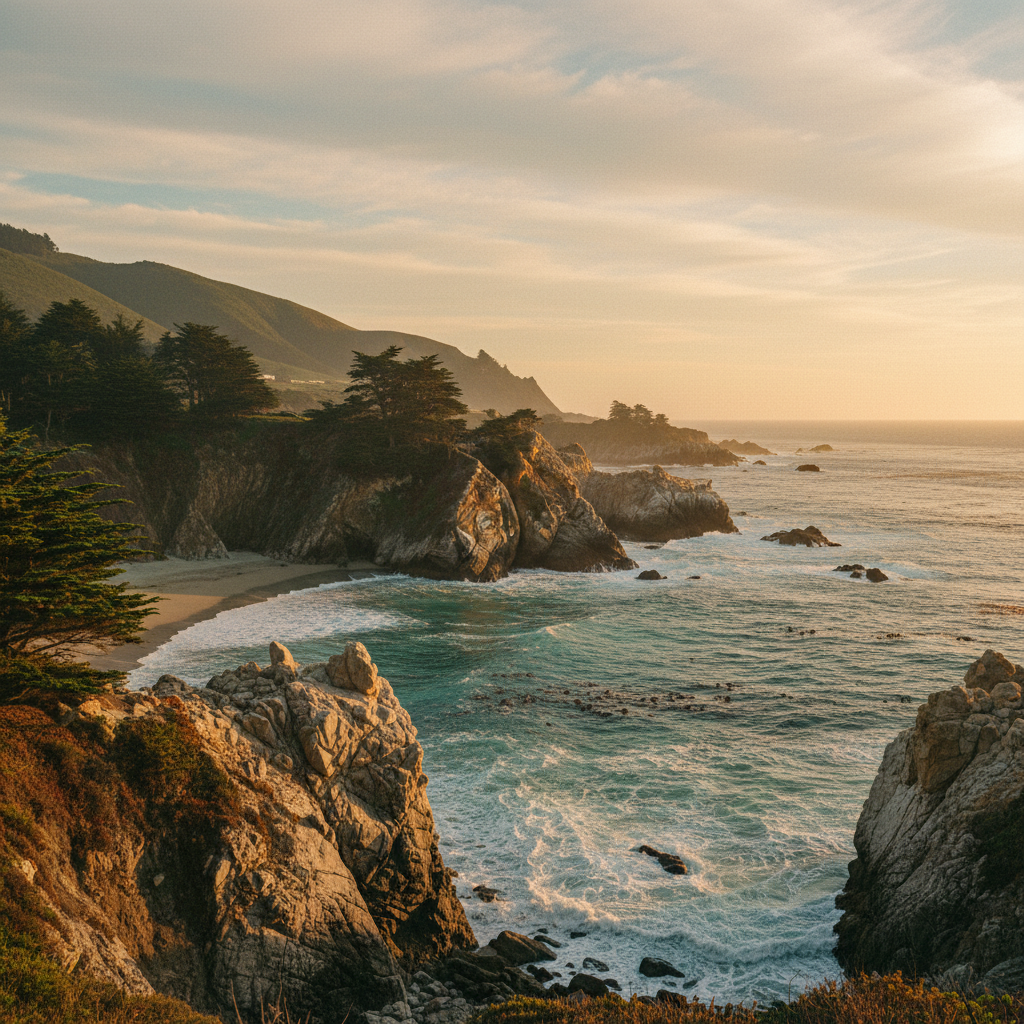
Point Lobos has held its wild character for over a century, a testament to its protected status since the early 1900s. In 1933, hundreds of acres became part of the state park system, laying the groundwork for what many consider a natural marvel. This roughly five-and-a-half square mile reserve encompasses 500 acres of land, where seaside meadows give way to ancient groves of Monterey cypress, a species found only here. Below the surface lies an extensive marine preserve, a thriving underwater world of dense kelp forests.
The park’s wild edge provides prime viewing for marine mammals. Keep your gaze on the waves for the spouting of gray whales migrating south in winter or humpbacks surfacing from April to November. Harbor seals, sea lions, and even elephant seals are residents here, their barks carrying on the wind. Beneath the clear waters, Point Lobos is a renowned diving spot, celebrated as the first underwater reserve in the United States. Its vibrant ecosystem makes even winter a prime time for exploring the deep, though divers and snorkelers must secure reservations beforehand.
A dozen trails crisscross the reserve, offering varied experiences from easy, accessible paths to more challenging climbs leading to secluded coves. Follow the paths along clifftops or wander through the cypress groves. Don't miss the historic Whalers Cabin, a sturdy relic of Monterey’s 19th-century industry, offering a glimpse into the past. For deeper insights, seek out one of the 250 knowledgeable local docents from the Point Lobos Foundation; they’re a wealth of information on the park's natural features and history. While there are no overnight stays or eateries within the reserve, the nearby town of Carmel-by-the-Sea offers plenty of options just a few minutes’ drive north.