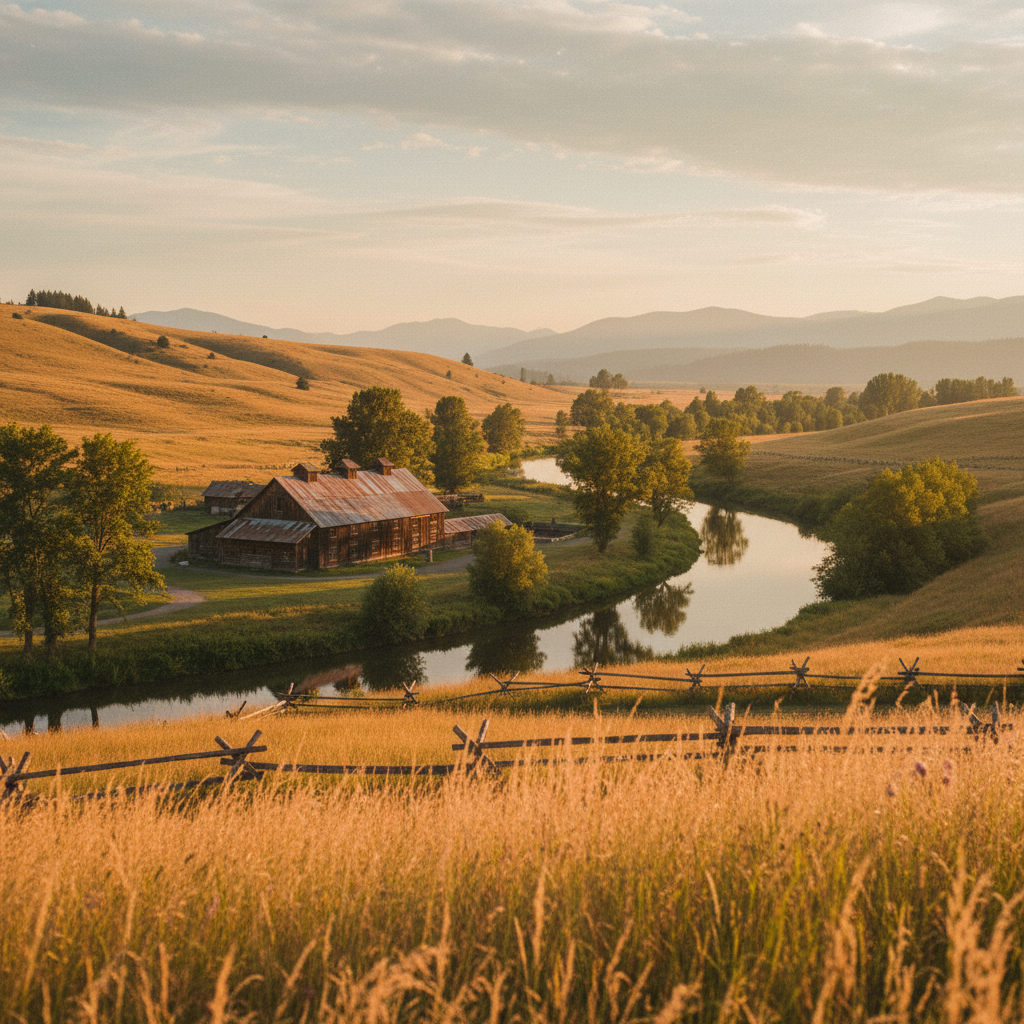
A 10-acre strip of the Washington shore where expert windsurfers brave heavy swells, Tule Chinook salmon return to spawn, and Wy'east (Mount Hood) dominates the southern horizon.
Spring Creek Hatchery State Park occupies a mere 10 acres on the Washington shore of Nch'i-Wàna (the Columbia River), yet this narrow strip of gravel and basalt is legendary. Positioned in Underwood within the Columbia River Gorge National Scenic Area, the park offers a direct, head-on view across the water to the snow-cloaked peak of Wy'east (Mount Hood), which rises 11,239 feet to anchor the southern horizon. The landscape here is defined by stark contrasts, where the sheer basalt cliffs of the gorge drop straight toward the deep blue of the river, and the wind rarely stops blowing. While small in acreage, this day-use park serves as a vital gateway for both extreme water sports and deep-rooted ecological traditions.
Windsurfers and kiteboarders from around the globe know this specific stretch of shoreline simply as "the Hatchery" or "the Hatch". Here, a powerful geological funnel effect forces high westerly winds to collide directly with the river's swift, eastward-pushing current. This confrontation builds massive, rolling swells and frothy whitecap waves right against the shore, mimicking ocean-grade surf hundreds of miles inland. Because the heavy swells and unforgiving currents demand expert-level technique, the water is generally cleared of novices, leaving the river to seasoned riders who carve fast, thrilling lines against the backdrop of Wy'east. For spectators, the park's shoreline picnic tables and benches provide front-row seats to watch these athletes launch into the surf, especially during the peak summer wind seasons when the park has historically hosted national windsurfing competitions.
The park's identity is deeply intertwined with the adjacent Spring Creek National Fish Hatchery, a historic federal facility established in 1901 to mitigate the loss of natural spawning grounds. Today, the hatchery is famous for raising millions of Tule Fall Chinook salmon, a native stock historically known to local Indigenous peoples as *mitula* (white salmon) due to their pale flesh. Every September, a massive homecoming occurs as tens of thousands of adult Chinook and Coho salmon battle their way back up the river to the hatchery's fish ladder. Visitors can watch this ancient cycle unfold from the park's edge, observing the powerful fish leaping up the ladder toward the holding ponds. The surrounding waters also attract abundant wildlife, and observers can regularly spot bald eagles, osprey, peregrine falcons, and river beavers hunting and nesting along the riparian corridor.
Spring Creek Hatchery State Park is strictly day-use, open from 6 a.m. to dusk year-round, though the restrooms are closed during the winter months from November 1 through March 31. Access to the gravel parking lot, which accommodates about 150 vehicles, requires a Washington State Discover Pass (available for a $10 daily fee or $30 annually). Visitors must plan ahead, as there is no potable water or garbage service at the park, making it a strict pack-it-in, pack-it-out destination. Located along State Route 14, the park is about an hour's drive east of Portland and just a ten-minute trip across the Hood River-White Salmon Interstate Bridge from Hood River, Oregon, where gear shops, lodging, and restaurants cater to the gorge's wind-chasing community.
Bring polarized sunglasses to cut the river glare when peering into the fish-ladder viewing windows, and time your visit for a weekday morning in mid-to-late September when the Tule Fall Chinook spawning run is at its peak. Since the water conditions here are strictly for advanced riders, novices should watch the action from the shoreline benches and stick to the calmer launches across the river in Hood River.