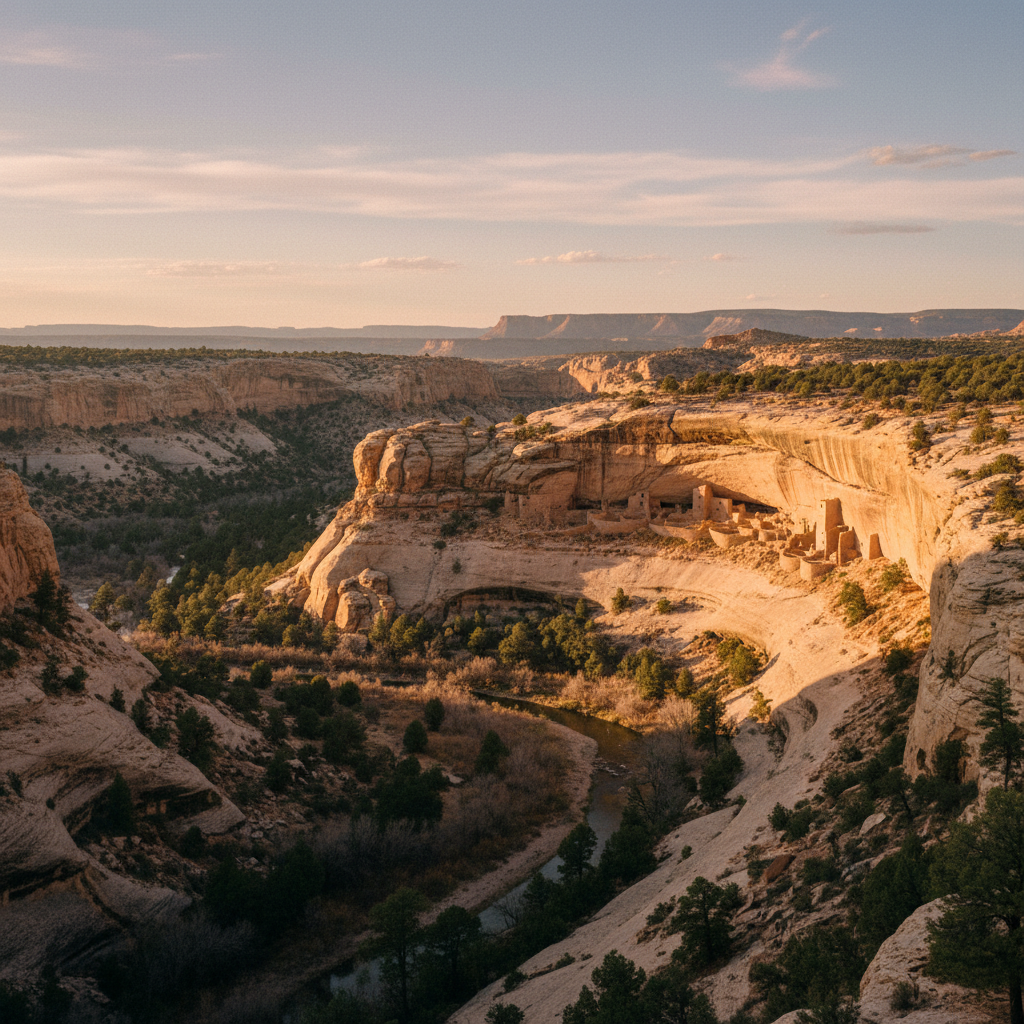
The air cools as you drop below the rim, leaving the high desert sun behind for the shadowed world of the canyon. Here, hundreds of years ago, the Sinagua people built compact, sheltered rooms directly into the overhangs, using the natural contours of the cliff face as their foundation. Imagine the daily rhythm, the smoke from cooking fires curling up from these very ledges, the sound of wind whispering through the pines and juniper that still dot the canyon walls. This isn't just ruins; it's a preserved echo of human ingenuity against a stark, beautiful backdrop.
The Island Trail is the direct route to these dwellings, a switchbacking path that plunges you down approximately 200 carved steps. Each descent brings you closer to the rock shelters, allowing you to walk directly into some of the rooms, feeling the cool stone walls and imagining the families who once sheltered here. Look closely at the ceiling, still blackened by ancient fires, or peer out from a window-like opening to the expansive canyon beyond. For those seeking a less strenuous but equally insightful experience, the Rim Trail offers broad views of the canyon and several overlooks directly above the cliff dwellings, providing a different perspective on their clever placement.
The monument’s landscape itself tells a story. Walnut Canyon, carved by Walnut Creek, slices through layers of Coconino Sandstone and Kaibab Limestone, exposing the very rock used by the Sinagua builders. Piñon pines and juniper cling to the slopes, providing shade and the scent of the high desert. Even on a warm day, a cool breeze often funnels through the canyon, a welcome respite as you explore the history etched into the very stone. The scale of the canyon puts the effort of these early inhabitants into sharp relief, underscoring their profound connection to this harsh yet abundant land.