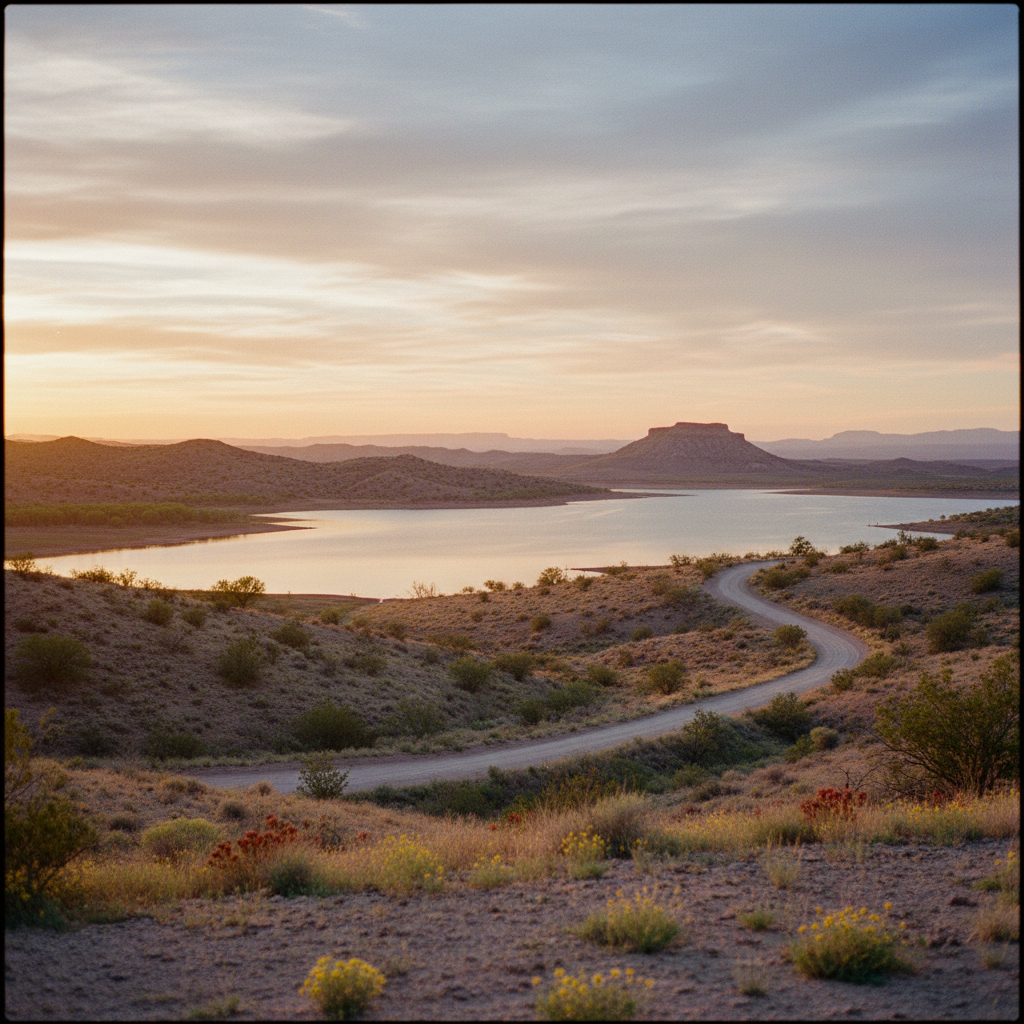
A high-desert reservoir oasis north of Carlsbad, offering premier warm-water fishing, birdwatching along the Central Flyway, and a well-equipped campground.
Brantley Lake State Park sits as a vast desert oasis in southeastern New Mexico, where the Pecos River was impounded to create the state’s southernmost reservoir. Located 12 miles north of Carlsbad at an elevation of 3,295 feet, the park officially opened in November 1989. It was established following the construction of Brantley Dam by the U.S. Bureau of Reclamation, a project designed to replace the aging McMillan Dam further upstream. The resulting lake can hold over 348,000 acre-feet of water, serving critical roles in flood control, irrigation, and water storage commitments to Texas and Mexico. For travelers navigating the sun-baked expanses of the Chihuahuan Desert, the sudden appearance of this massive blue sheet of water, framed by rugged limestone and clay shorelines, feels like an impossible mirage. The air here carries the sharp, clean scent of creosote and damp earth, grounding visitors in a landscape where human engineering meets a stark, wild environment.
The reservoir has fostered a thriving riparian ecosystem that serves as a vital sanctuary for wildlife. Positioned along the Central Flyway, the park is a premier destination for birdwatchers, especially during seasonal migrations. Visitors can spot American white pelicans, double-crested cormorants, and sandhill cranes feeding along the shallows, alongside desert residents like hawks, wrens, and gnatcatchers. Beyond the water's edge, the surrounding desert scrub is home to mule deer, coyotes, and various reptile species adapted to the intense heat. Anglers are drawn to the lake's 31 miles of shoreline, where the New Mexico Department of Game and Fish regularly stocks a variety of species. Largemouth bass, walleye, channel catfish, white bass, bluegill, and crappie thrive in these warm waters, making the park a regional hub for sport fishing.
For those looking to stay overnight, the park features the well-appointed Limestone Campground, which offers 51 developed campsites. The campground is designed to combat the desert sun, with each developed site featuring a covered shelter or pavilion over its picnic table, along with an elevated cooking grill. Among these, 38 sites provide water and 30-amp electricity, 10 offer water and 50-amp electricity, and three are fully equipped with water, electric, and sewer hookups. Campers seeking a more rugged experience can opt for primitive shoreline or boat-in camping along the lake's edges. The park also boasts 2.6 miles of hiking trails, including a scenic nature trail and a primitive path that winds down into the canyon below the dam, offering views of the engineering structure and the riverbed below. Two paved boat ramps provide easy access for motorized boats, kayaks, and canoes, though paddlers should aim for the early morning hours before the afternoon winds stir up heavy chop on the open water.
Afternoon winds on the reservoir can create sudden, challenging chop. Plan your kayaking, paddleboarding, or boating for the early morning hours, and secure any loose gear at your campsite before the midday gusts sweep through the canyon.