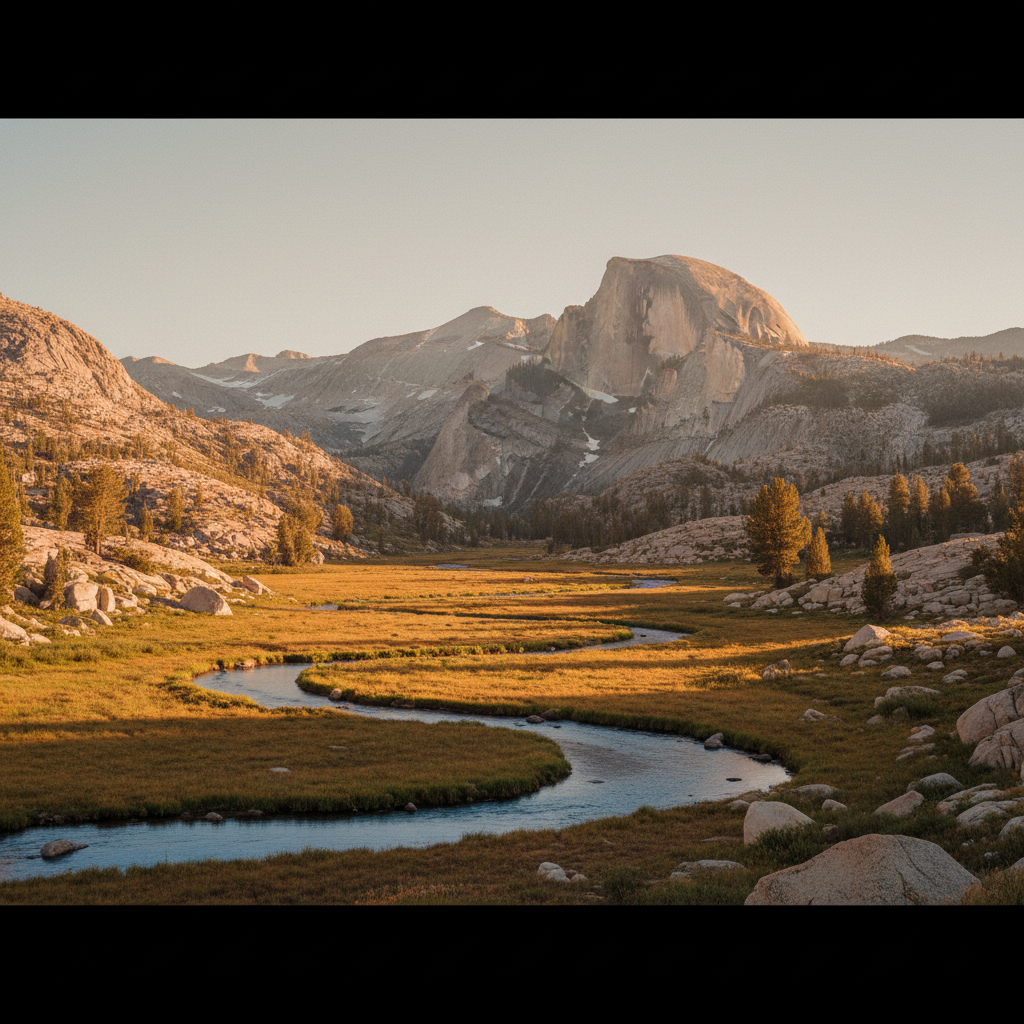
Explore a vast, glacier-carved granite kingdom where alpine lakes mirror a landscape of rugged volcanic ridges and wildflower-strewn meadows.
The Emigrant Wilderness is an expansive, 113,000-acre high-alpine landscape of glaciated granite and volcanic ridges located within the Stanislaus National Forest, directly bordering the northern boundary of Yosemite National Park. This protected wilderness, designated by Congress in 1975, preserves a dramatic geological transition zone where the massive, polished granite batholith of the Sierra Nevada meets the dark, rugged volcanic peaks of the Sonora Pass region. For thousands of years, these lands served as the ancestral territory and vital trans-Sierra trading routes of the Washoe and Central Sierra Miwok (Me-Wuk) peoples, who traversed the high passes during the summer months to hunt, fish, and trade. In the mid-nineteenth century, the area gained its modern name when pioneering wagon trains, including the historic 1852 Clark-Skidmore party, struggled through the formidable terrain, leaving behind a legacy of survival etched into the peaks, lakes, and passes.
Elevations across this wilderness range from approximately 5,000 feet near Cherry Reservoir to the towering 11,570-foot summit of Leavitt Peak, creating a diverse ecosystem that shifts from dense forests of Jeffrey pine, white fir, and incense cedar to sparse, windswept subalpine ridges of lodgepole pine and whitebark pine. The landscape is heavily defined by water, containing more than one hundred alpine lakes and a complex network of streams that feed the Tuolumne and Stanislaus river watersheds. Popular entry points like the Crabtree, Gianelli, and Bell Meadow trailheads on the western slope lead hikers past pristine waters such as Camp Lake, Bear Lake, and the expansive Gem Lake, while the eastern approaches near Sonora Pass offer access to the high, stark waters of High Emigrant Lake and the volcanic ramparts of the Dardanelles Cones. During the brief summer season, the glaciated granite basins and damp meadows erupt with vibrant displays of mountain heather, lupine, and paintbrush, drawing backpackers, pack trains, and anglers seeking the wild trout that thrive in these cold, crystal-clear waters.
Navigating the Emigrant Wilderness requires careful preparation, as the high-altitude environment is subject to dramatic shifts in weather, where afternoon thunderstorms can roll over the ridges with little warning and snowpacks often linger well into July. Wilderness permits are required for all overnight stays, helping to preserve the delicate subalpine soils and prevent overcrowding along popular lake chains. While classic routes like the loop from Crabtree Trailhead to Deer Lake and Buck Lakes are highly traveled, seekers of deep solitude can venture toward the rugged Granite Dome area or the remote canyons of Cherry Creek, where the trails become faint and the terrain demands advanced route-finding skills. The wilderness remains a sanctuary of quiet grandeur, where the only sounds are the wind rushing through the lodgepole pines, the distant clink of horse pack bells, and the sharp whistle of yellow-bellied marmots guarding their rocky redoubts.
For an exceptional introduction to the wilderness, start at the Kennedy Meadows trailhead and hike to Relief Reservoir. Leave early in the morning to avoid the Sierra’s notorious afternoon thunderstorms, and watch for the turnoff for the Relief Reservoir trail about a mile past the resort’s pack station. Afterward, the burgers and cold beer at the Kennedy Meadows Resort & Pack Station saloon taste like a well-earned reward.