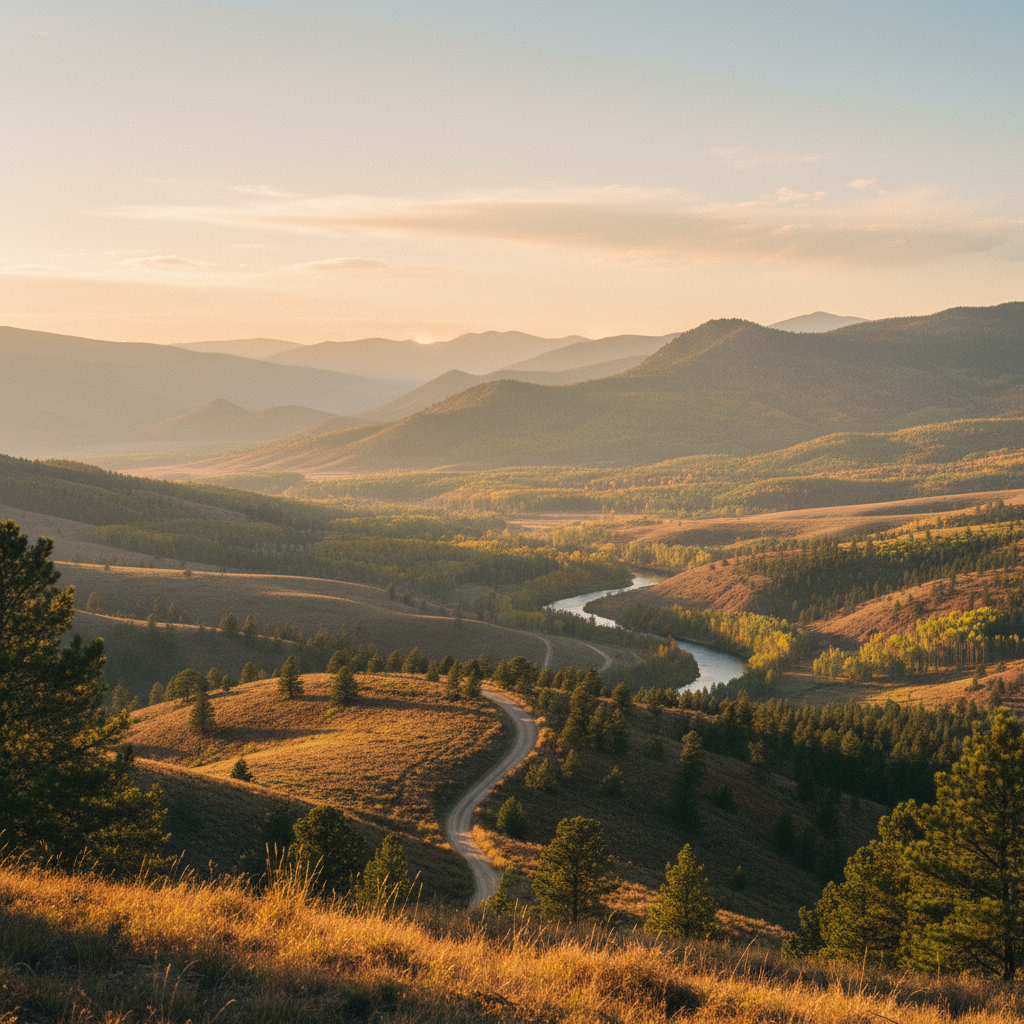
Spanning over 70,000 acres of rugged peaks and subalpine wilderness, Colorado's largest state park is a sanctuary for hundreds of Shiras moose and backcountry adventurers.
State Forest State Park spans 70,932 acres along the Medicine Bow and Never Summer Ranges in north-central Colorado, making it the largest state park in the state. Originally established as a state forest in 1938 to generate revenue through logging and grazing, the land was leased to Colorado Parks and Wildlife in 1972 to manage for public recreation. Today, it continues to operate as a working forest where active timber harvesting, public school funding, and wildlife conservation coexist. The park's elevation ranges from 8,500 feet to over 12,000 feet, creating a rugged backcountry landscape defined by jagged peaks, alpine lakes, and dense stands of lodgepole pine, Douglas fir, and subalpine fir that are slowly recovering from a major mountain pine beetle epidemic.
The dramatic topography is anchored by the Nokhu Crags, sharp spires sculpted by ancient glaciers, and Seven Utes Mountain. Uniquely, the park contains the East Sand Dunes Natural Area, a rare cold-climate sand dune system formed by winds carrying eroding mountain sediment to the base of the Medicine Bow Mountains. Below these peaks, the willow-lined banks of the Michigan River and its tributaries provide ideal habitat for the park's most famous residents, the Shiras moose. As the self-proclaimed moose-viewing capital of Colorado, the park and the surrounding North Park basin support a year-round population of over 600 moose. The Moose Visitor Center, opened in 1997 near the small community of Gould, serves as the educational hub where visitors can learn about these massive mammals, as well as resident bighorn sheep, black bears, mule deer, and elk.
Recreational opportunities span over 90 miles of hiking trails and extensive routes for off-highway vehicles, mountain biking, and winter snowshoeing. Popular routes include the steep path to Lake Agnes, a turquoise alpine lake sitting beneath the Nokhu Crags, and the 6.5-mile Gould Loop Trail. Anglers frequent the North Michigan Reservoir for wakeless boating and trout fishing, while Ranger Lakes offers accessible fishing piers. Lodging options are diverse, ranging from developed campgrounds like Crags and Ranger Lakes to backcountry shelter systems. The park features 15 cabins and yurts, including the remote Never Summer Nordic yurt system, which provides rustic, wood-stove-heated retreats for year-round backcountry exploration.
To spot the park's famous Shiras moose, focus on the willow thickets along the Michigan River or the marshy areas around Ranger Lakes at dawn or dusk. Always maintain a safe distance of at least 120 feet: if a moose changes its behavior because of your presence, you are too close.